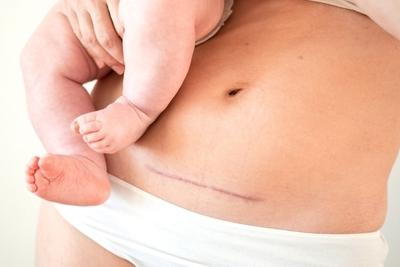
When planning for childbirth after a previous cesarean delivery, many women consider the possibility of a vaginal birth after cesarean, also called a VBAC. It can offer a shorter recovery, less postoperative discomfort, and a more natural birth experience. At Advanced Women’s Healthcare in Bloomington and Normal, IL, our OB-GYN team helps women explore VBAC as an option through careful evaluation of their medical history, pregnancy health, and personal preferences.
Understanding What Makes a VBAC Possible
A successful VBAC depends on several important factors. Your OB-GYN will begin by reviewing your previous cesarean delivery, including the type of uterine incision. A low transverse incision is the most common and generally carries the lowest risk for complications. Your provider will also consider how many cesarean births you have had and whether any issues occurred in earlier pregnancies. Together, these details create a complete picture that helps determine whether a VBAC can be recommended safely.
Assessing Pregnancy Health and Current Risk Factors
Each pregnancy is different, and your OB-GYN will evaluate your current health to decide if a VBAC is an appropriate option. Conditions such as placenta previa, certain fetal positions, or underlying medical concerns may influence this recommendation. Other considerations include the baby’s growth, your overall well-being, and how your body prepares for labor. This approach ensures that decisions are grounded in your present clinical situation rather than assumptions.
Reviewing Chances of Success
Your healthcare provider will discuss these factors with you to help estimate your likelihood of a successful VBAC. Past labor experiences, how your cervix is progressing during this pregnancy, and whether your previous cesarean occurred before labor began all affect success rates. Women who have had a previous vaginal delivery often have higher chances of achieving a VBAC. Understanding your individual circumstances gives you the clarity you need to make confident and informed decisions.
Creating a Safe Delivery Plan
If a VBAC is considered safe, your OB-GYN will outline a birth plan that includes close monitoring during labor. Continuous fetal monitoring helps detect signs that the uterus or baby may be under stress. Your delivery takes place in a hospital equipped to provide emergency care if needed, ensuring that a repeat cesarean can be performed quickly should circumstances change. This balanced approach supports safety while still honoring your desire for a vaginal birth.
The Importance of Shared Decision-Making
Choosing between a VBAC and a repeat cesarean isn’t a one-size-fits-all decision. Your comfort, priorities, and medical needs all matter. Open conversations with your OB-GYN help you understand your options, weigh the risks and benefits, and move forward with a plan that feels right for you and your growing family.
To discuss VBAC and determine whether it may be a safe choice for your delivery, contact Advanced Women’s Healthcare in Bloomington and Normal, IL, at (309) 808-3068. Our compassionate OB-GYN team is here to guide you through every step of your pregnancy with personalized, evidence-based care.